
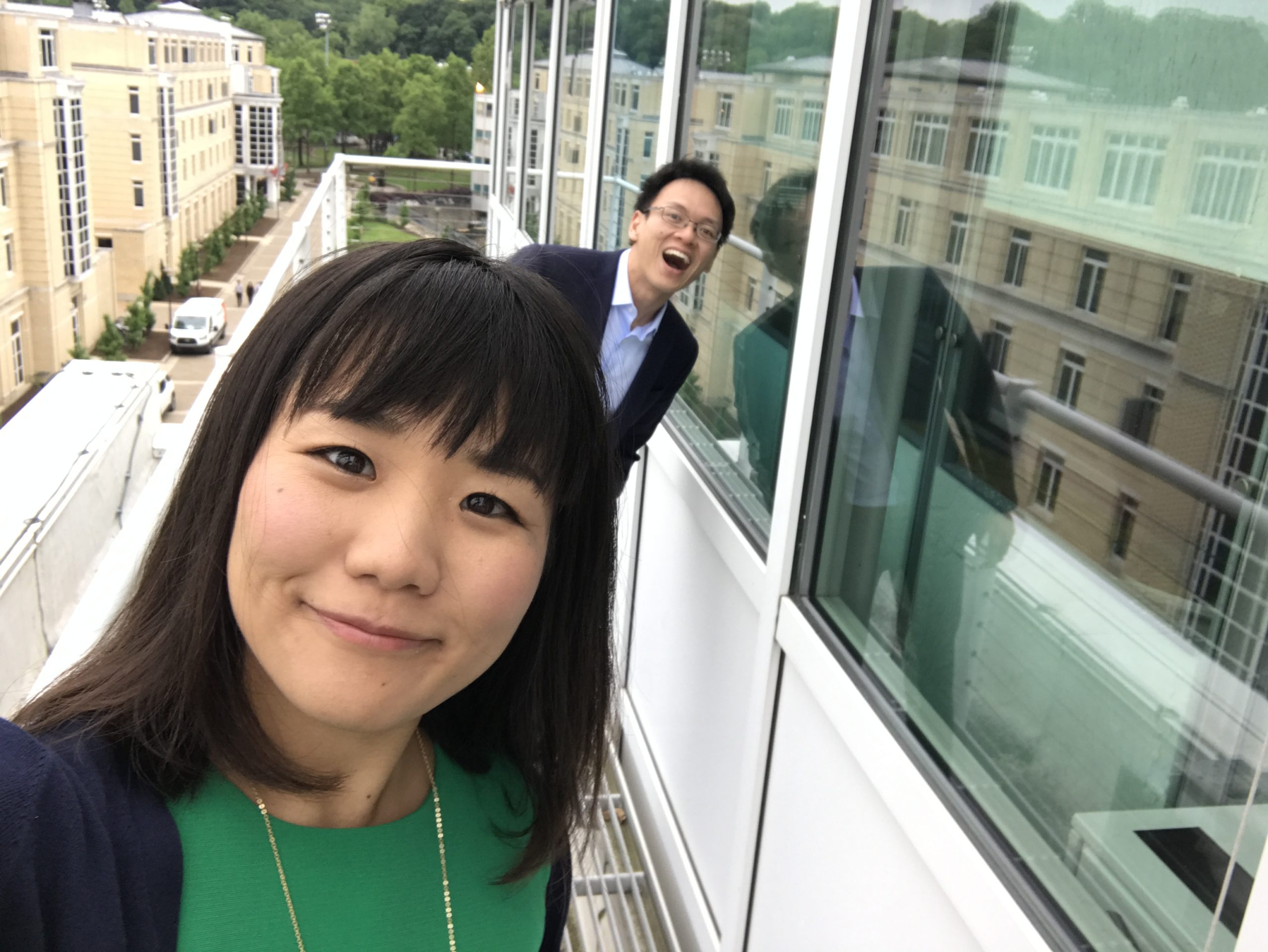
Shoko relocated herself to Singapore looking for an international environment and a culture of diversity. “Initially I thought this would be a waypoint for my future life living in different countries”. A photograph behind her shows her husband, recently married in Singapore.
Profile
Name: Shoko Age: 30
Shoko was born in Nagano prefecture in Japan. While attending Tokyo University of Foreign Studies, she spent 1 year in Delhi, India, for an internship program. She has been working at an IT company and recently offered to be transferred to the Singapore office and moved there in January of 2016.
Have to make it happen before tuning 30
———I remember you were thinking about moving abroad for a while, and made it come true. What was the trigger to make you move into action?
Shoko: I always wanted to live abroad, since I was a student. Then when I turned 28 I panicked, thinking that “Oh, living like this, I might end up being in Japan for good”.
Having a stable job, if I had wanted to, I could have continued my life in Tokyo as it was. I had other plans, “this is not the life I dreamed about.” That’s when I resolved to move abroad before I turn 30 no matter what. I was gripped by a feeling like, “now is the only chance.”
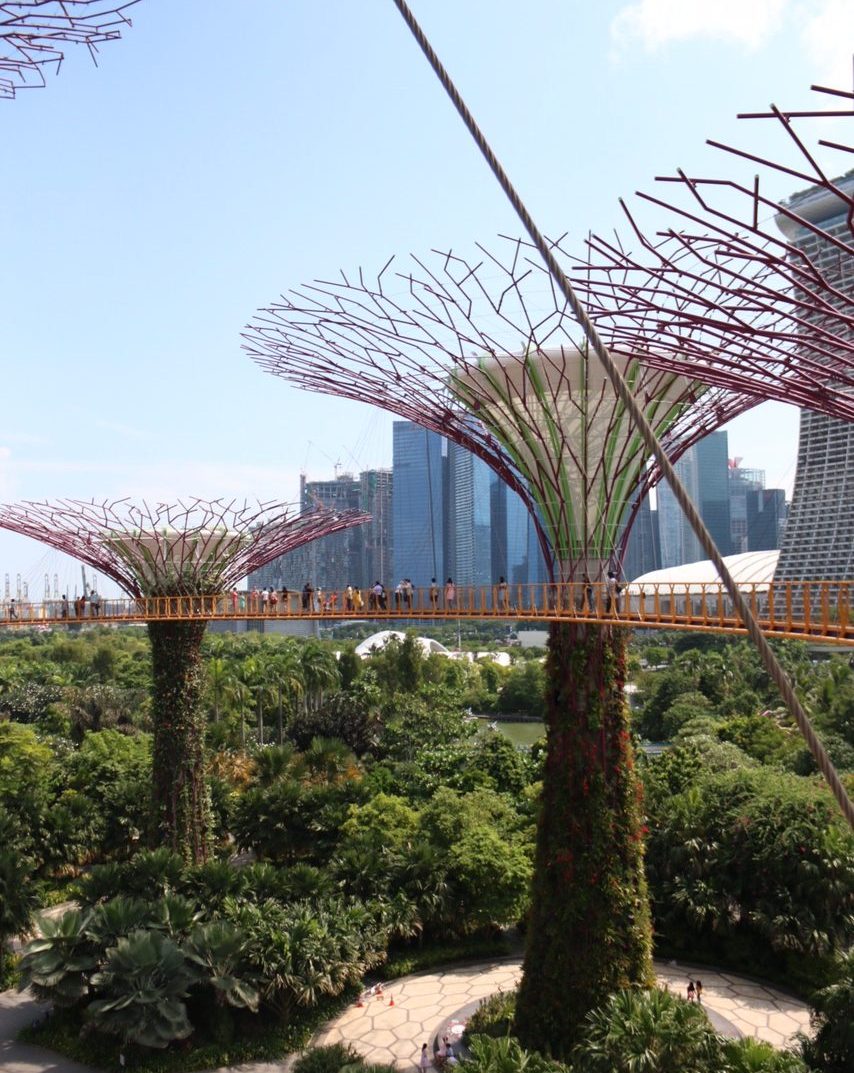
Super Trees in Gardens by the bay
International and diverse
—————What was your expectation for living abroad?
Shoko: Firstly, I wanted to work in an environment that is international and diverse. I was longing to put myself into a world that I didn’t know. A place where there are people with various backgrounds.
As for how I picked Singapore; I thought it would be the best if I were transferred abroad inside the company I have been working for.
Therefore the only option was Singapore. That, you could say, is why I chose this country, haha. Though it has been exactly what I expected, working with people with many different backgrounds.
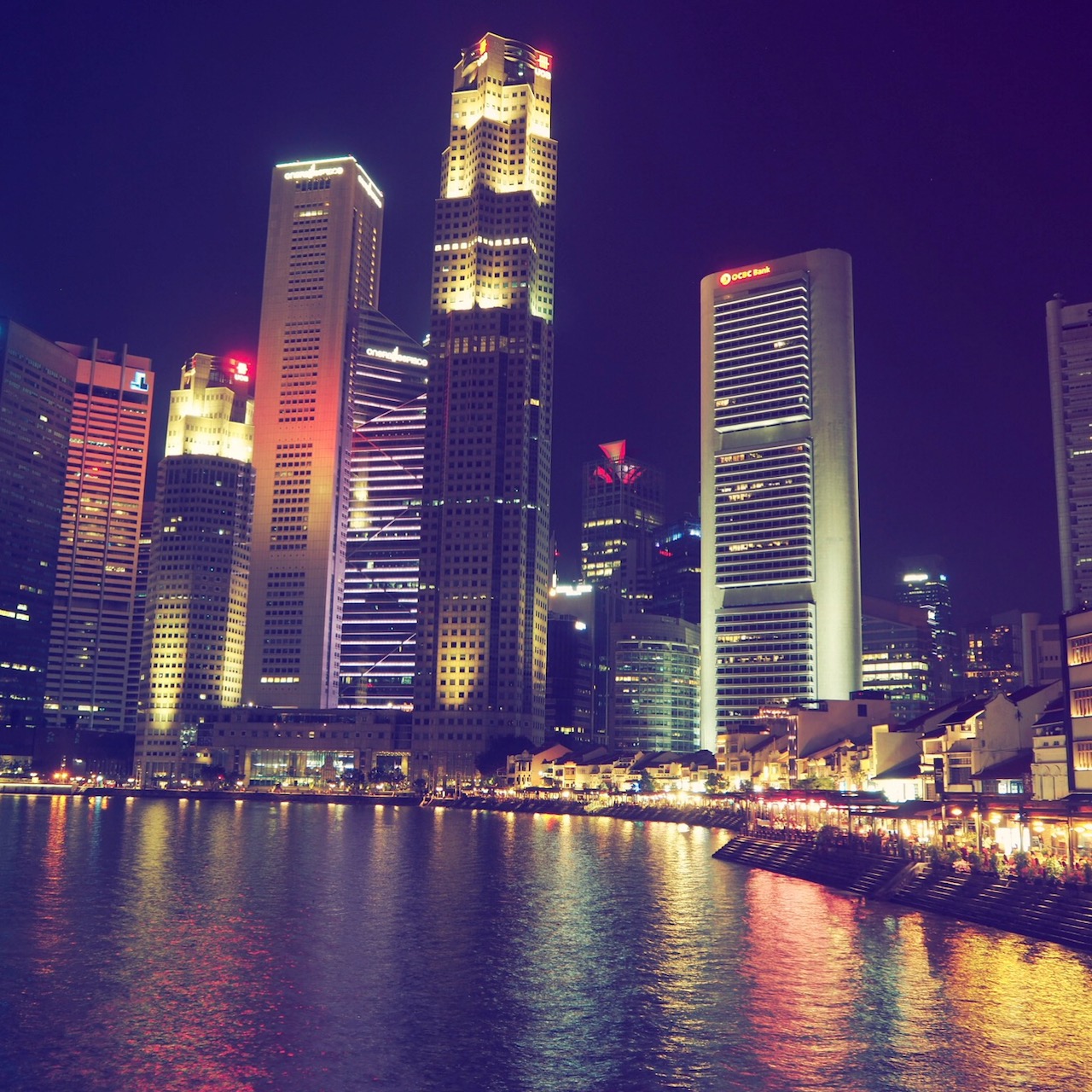
Restaurants along side the river in Boar Quey
—————Is the atmosphere different in the office in Singapore, even if it is the same company?
Shoko: Very much. In the Japanese office, there were only Japanese employees, whereas here there are people from many different countries. India, Australia, China, Vietnam, America… really diverse. Also among the Singaporeans, there are some who immigrated while in university then acquired permanent residency and citizenship.
It is much more international than in Tokyo. If I remember correctly, 25 to 30 percent of the population here are foreigners.
————-Is the work style different there?
Shoko: I have the impression that people don’t push themselves to work too hard. My company is originally from the States, so I think the business culture here is more or less American.
Though some people don’t work beyond expectations unless they are asked to do so. People don’t work outside the boundaries of what their tasks are. That creates good work-life balance.
In Japan, there was always a consciousness to take it one step further, to make it better. Here people do not do that, if it’s not exactly what their tasks are. From a Japanese sense of value, people may find it not good enough like, “Is it really okay like this?” Though it is an efficient way because the boundary is made clear.
Dating and marriage in Singapore
—————How do you meet people outside office?
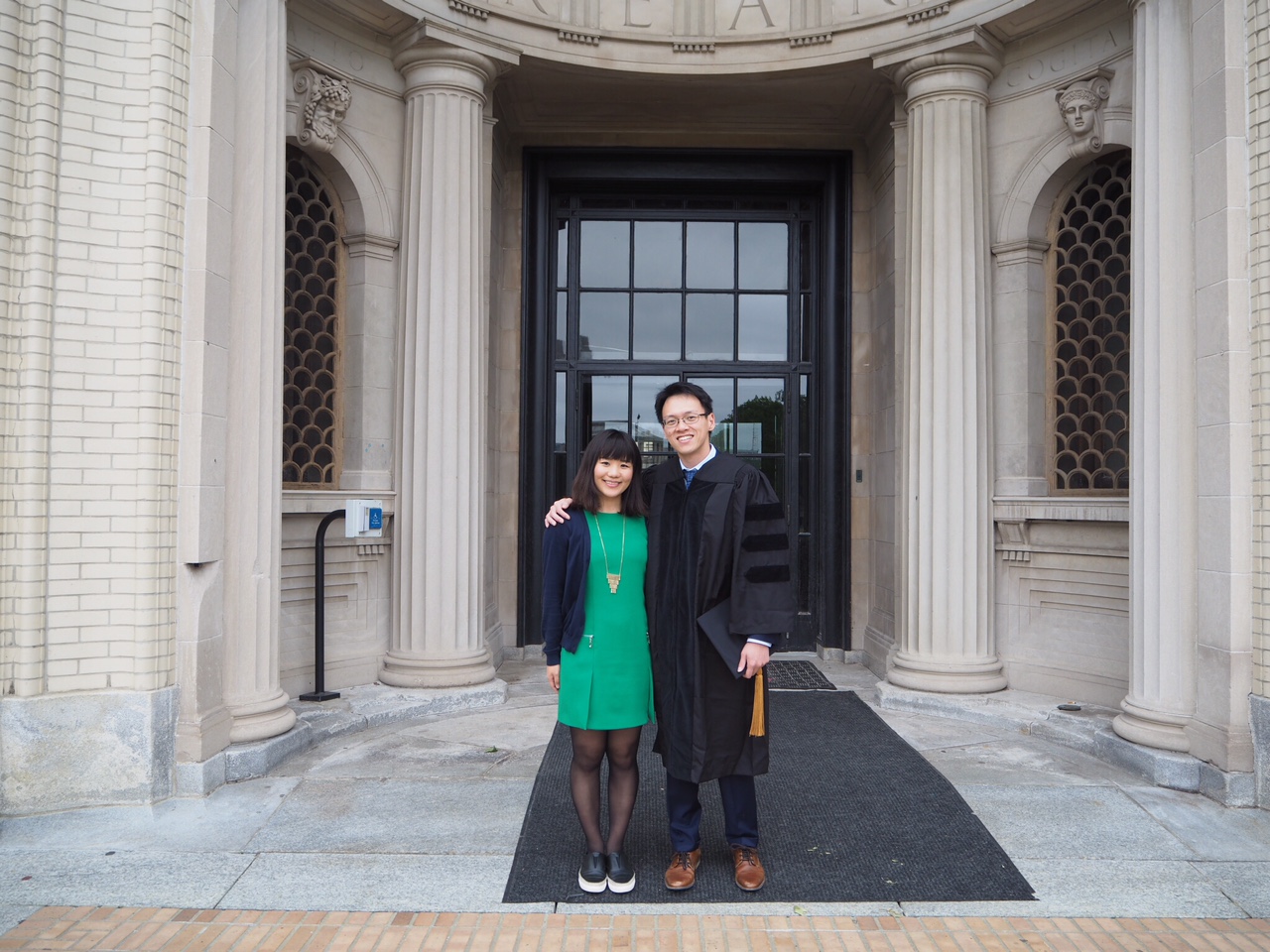
Shoko: Meet ups are really popular in Singapore. There are a variety of groups, such as photography and bouldering, which one can join. I took part in some when I first came here. Recently I got married to my husband, whom I met at one of the meet ups for bouldering.
There are many locals who participate in meet ups. To me, a lot of Singaporeans are active and diligent, always trying something new, developing themselves.
———–How is the dating situation in Singapore? How do people meet?
Shoko: Local people around me it seems often get married with someone they meet in university, after dating for a long time. I don’t hear much about workplace relationships. There are also many who use online dating apps like Tinder as well.
Also, the government runs a match making website. It was a surprise for me to find out that the government is involved in that area. Also I hear that many women now are career—oriented or that many of them are not marriage oriented.
People here like to work or need work to live, so I think there are few women who wish to become full time homemakers. In fact I don’t know any except for Japanese women.
It is common to have a maid/helper, so they leave home stuff to them. Also there are people who work shorter hours, and people her would never look coldly at it.
Things that don’t occur in the mind if in Japan
————–Have you been in touch with the Japanese community in Singapore?
Shoko: Not at all. I do hang out with Japanese friends but I am not a member of The Japanese Association.
————-There is such a thing as “a member of the Japanese Association”?
Shoko: Yeah, the joining fee is about 1,000.00SGD (approx. 750.00USD). They have a variety of activities and clubs like badminton. So I was a bit interested initially but, the joining fee was so expensive that I decided not to join, haha.
The Japanese community here is huge; there are about 40,000 Japanese living in Singapore. Many stay only inside the Japanese community. People from other countries say to me sometimes that, “Japanese only hang out with Japanese.”
————–Do you think you have changed after moving to Singapore?
Shoko: Yes, now I feel like I have to express myself more. Over here people are very assertive, so I need to say what I want and what I don’t want more clearly. I had this exact same feeling when I was in India as well. This is something that would never occur to me if I were in Japan.
People state things clearly, both in work and private conversations. As there are people with various cultural backgrounds, I believe this culture has grown to encourage you to assert your opinion.
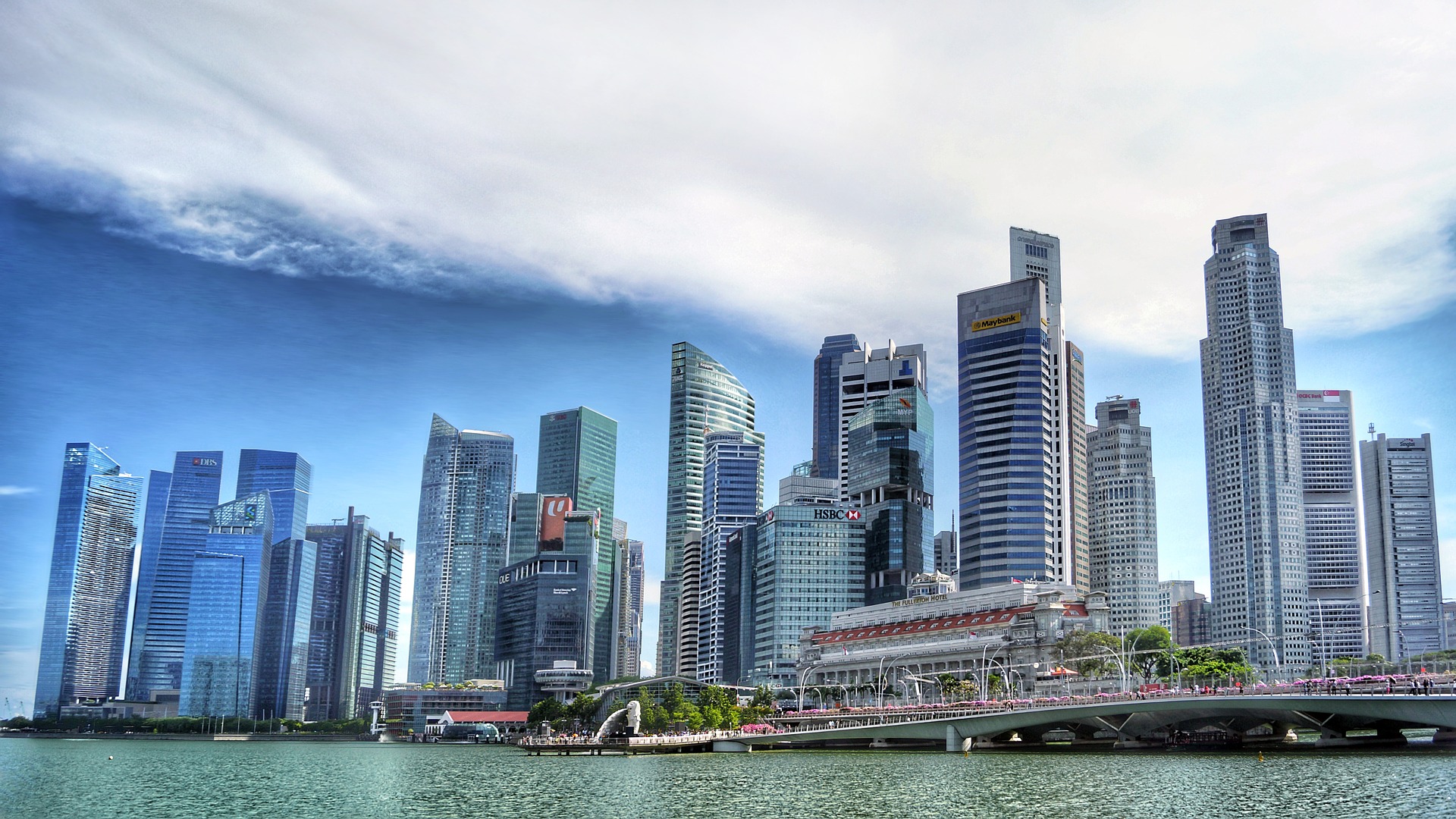 Business district in Singapore
Shoko: There are some aspects that I can’t do well yet though. That said I think the way I work has changed. My job is sales and I make phone calls to potential customers. Here in Singapore I talk to them like “ Are you going to buy this or not?” hahaha. So straightforward.
Of course we support customers during the evaluation process, but when it is clear that they don’t want it, it is a waste of time for both parties, so I say “We have information online, please refer to it first. Let me know when you are ready to buy. Goodbye.” That’s it. It is efficient.
Getting familiar with Singlish
———-How do you like Singlish?
Shoko: It is very different. The accent sounds like Chinese.
Last week the Japanese team was visiting here and we went to have dinner together. At the restaurant everyone thought that the waitress was talking in Chinese. To be honest when I first came here, I thought it was Chinese. I think I have improved my listening pretty well by now though.
In Singlish, besides those “lah” or “loh” at the end of sentences, the grammar is confusing. “She does” becomes “She do”, “Where are you going” becomes “ Where you go”, “What are you doing” becomes “ What you do”. This is because Singapore has been at the center of the business hub of South East Asia for so many years, so the English conversations evolved into easier/shorter sentences.
———–It is not like they teach Singlish at school, right?
Shoko: No, they don’t! People use very neat English in work and writing, but it changes in daily conversations. I do speak it sometimes. I am still working on it haha.
20% of salary goes to fund automatically
————Is there anything that was different from your expectations?
Shoko: Not in particular no but, if I was to venture to say, it feels like there are so many government regulations and not as much freedom as I expected. There are many things that are under control of the government, for better or worse.
———–Such as?
Shoko: Well, the government issues a personal ID for individuals; the ID controls everything. It is almost like the one we have in Japan. Though here it is not only used in administrative institutions, but also in places like the gym. The ID is used to register for most things. It is a super administered society and a very well made one.
Another thing is the Central Provident Fund. For Singaporeans and permanent residents, 20% of their salary is automatically saved in the fund every month. The usage of the fund is limited, either to pay for specific medical care or to buy real estate in Singapore.
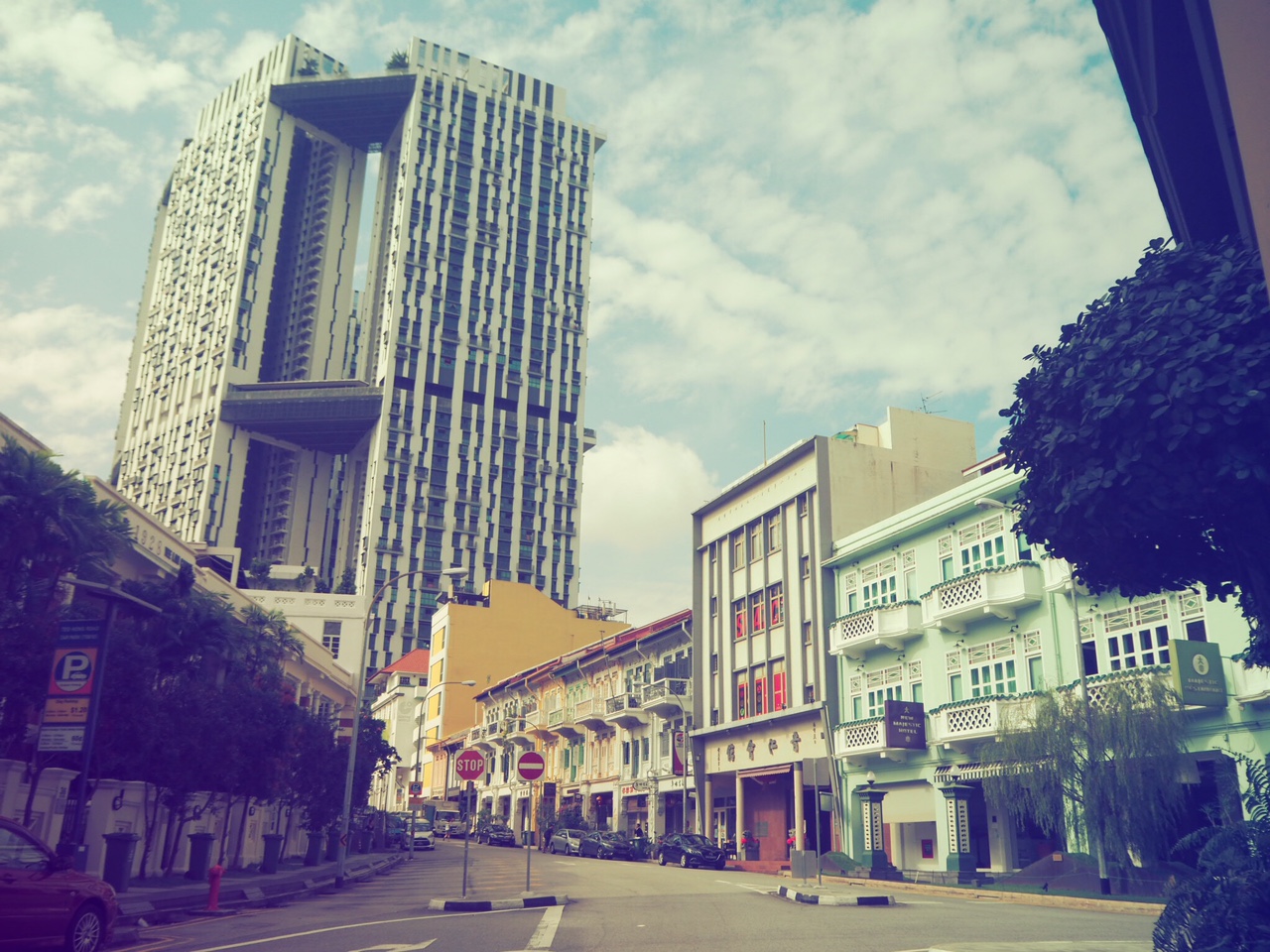
Old school shop house and skyscrapers
———–Then, as long as you don’t have the need for medical care, the only option is to buy real estate?
Shoko: Right. I heard that 95% of Singaporeans purchase real estate in Singapore. It doesn’t have flexibility, as it is compulsory. It is the same for self-employed workers.
It means that it is almost mandatory to buy real estate domestically. So Singaporeans seem to have this idea that they are better off staying inside the country to take care of their loans and such. It gives you a clear path.
———– In the case of irregular part time jobbers?
Shoko: Well, actually there is no such work style as an irregular part time jobber, unless you are a student. No Neet (Not in Education, Employment or Training) either. The employment rate is surprisingly high. Giving that there is no welfare system and the medical fee is high, you must work in some way to survive.
Being scolded for drinking water
———–This maybe a tiny thing but you are not allowed to chew gum right?
Shoko: That’s right, you are not allowed to bring it in here, for the reason of public hygiene. Also it is prohibited to eat or drink inside a station. There is no vending machine. Once I was scolded for trying to drink some water, haha. Another time I was scolded for trying to take a picture, hahaha.
Also fines are extremely high. If you illegally park a bicycle, I saw the sign the fine is like 500SGD(375.00USD), for a car it is about 1000SGD(750.00USD). So people don’ t really even think about doing bad things. It seems it is functioning very well.
————-I am curious what Singaporeans think about it.
Shoko: They don’t complain or object against it at all. More like, they are very proud of their country, I think. It is safe here. There are many who like to travel overseas, but it seems like they have this idea that “Singapore is the best to live in after all”.
Wait, where am I now?
————Has this relocation changed your perception of Tokyo?
Shoko: Tokyo has different cultures in each and every station, which is fun. Even inside Tokyo, like Koenji to Ginza, the atmosphere, the people, all varies. I find it amusing.
Whereas in Singapore, it is almost the same no matter which station you stop by. The design of the city looks similar, wherever you go there are the same shopping malls with the same shops inside. I wonder sometimes, “ Wait, where am I now?” I don’t have this sense of like “I’m going to this area for a change of mood” like I do in Tokyo.
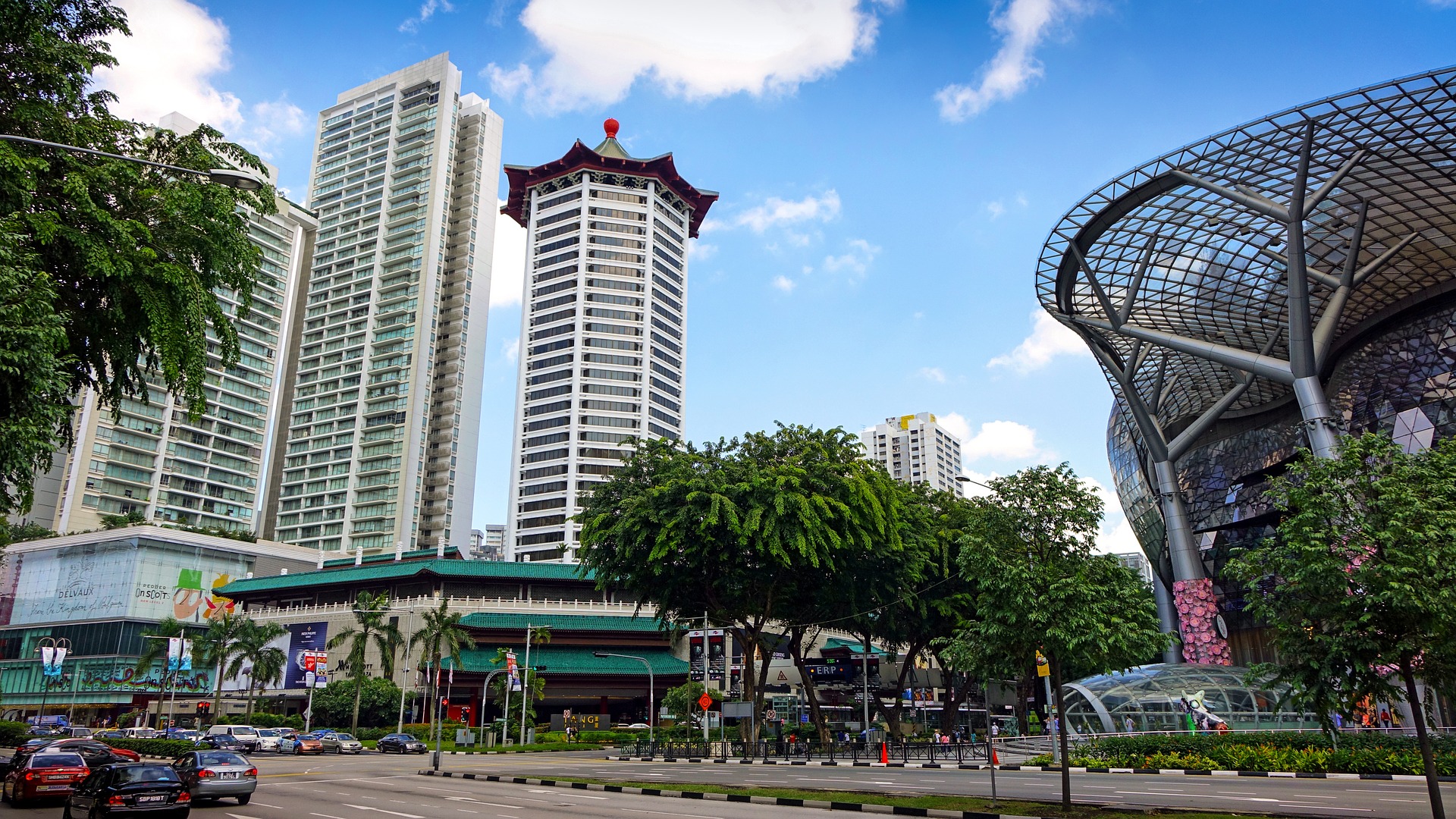 Orchard Road
————I see. Though it is multi cultural, the city itself sounds more like homogenous.
Shoko: Yeah, I think so. China town and Indian town, they are of course different though. There is not much more difference other than that. It seems like Singaporeans have preferences like “I like the west side” or “I prefer the east”, but to me it is not that different.
As there is no such thing as traditional Singaporean culture, I feel a bit short on fun in that aspect. The country is 50 years old and young, it started from scratch. I feel the sense of identity for Singaporeans may be different from that of the Japanese to Japan.
Singapore is a country that has developed with the goal to rise economically. So what they think about in general seems to take root in economic growth. This perception is different from what I am familiar with. Everyone seems to have this mindset that “ a country is equal to its development.” I heard they study very systematically from when they are little, and it is definitely an academic career based society. Everyone is very conscious that they want to be number one.
————–Would you consider moving to another country again?
Shoko: Going back to Japan could be good though, I do want to move to another different environment again. I came here thinking Singapore is good for work, and initially I thought this would be a waypoint. Like, maybe it would lead to other places if I live for a long time.
Now that I got married here, it is not just about me anymore, it’s also about his job situation as well. So I am not sure yet. I am happy being here with family for now but, you never know, some day we might be living abroad.